



October 13, 2026
ESN Team
October 16, 2026
,
ESN Team
Is Whey Protein Safe to Take Every Day? Common Myths, Debunked
Quick answer: For most healthy adults, taking whey protein daily is safe — it's a food-based protein supplement made from milk, not a drug or steroid. The kidney-damage myth, the strict 30-minute post-workout window, and "more protein always builds more muscle" are all oversimplified or outdated ideas. If you have an existing kidney condition, talk to your doctor before significantly increasing protein intake, same as you would with any major diet change.
Myth: Whey Protein Damages Your Kidneys or Liver
This is one of the most repeated protein myths, and it mostly comes from studies on people who already had kidney disease, not healthy individuals. For someone with normally functioning kidneys, consuming whey protein as part of a reasonable daily protein intake is not something that causes kidney or liver damage. That said, if you have a pre-existing kidney or liver condition, it's worth checking with a doctor before making any big changes to your protein intake — that applies to diet changes generally, not just supplements.
Myth: You Must Drink Your Shake Within 30 Minutes of Training
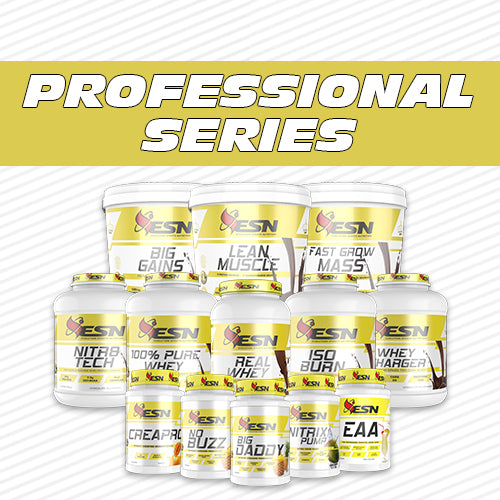
The idea of a strict "anabolic window" that closes 30 minutes after your workout has been significantly overstated. What actually matters more is your total protein intake across the day and how consistently you hit it. Having a shake like ESN Real Whey an hour or two after training is still perfectly fine — you don't need to rush a shake down in the locker room for it to count.
Myth: More Protein Always Means More Muscle
Protein is one input among several. Without resistance training and an appropriate overall calorie intake, simply adding more protein powder on top of your diet won't build muscle by itself. A product like ESN Whey Delight is a tool for hitting your daily protein target more easily — the actual muscle-building still comes from training consistently and recovering properly.
Myth: Whey Protein Is a Steroid or "Unnatural"
Whey protein is a dairy derivative — it's the protein that separates from milk during cheese production, then dried into powder. It's a food ingredient, not a hormone or steroid, and it doesn't work by the same mechanism as banned performance-enhancing drugs. A blended formula like ESN 100% Premium Whey is, at its core, a concentrated milk protein product.
So How Much Protein Do You Actually Need?
General protein guidance for active adults typically falls in a range well above the minimum RDA for sedentary people, scaled to body weight and training intensity. The exact number varies by individual, training volume, and goals, so it's worth treating general ranges as a starting point rather than a fixed rule, and adjusting based on your own results over time.
Frequently Asked Questions
Is it safe to drink whey protein every day?
For most healthy adults, yes — it's commonly used daily as part of meeting overall protein needs. People with pre-existing kidney or liver conditions should check with a doctor first.
Does whey protein cause kidney stones?
There's no established evidence that whey protein causes kidney stones in people with healthy kidneys. Kidney stone risk is influenced by multiple factors including hydration and individual health history, not protein intake alone.
What happens if I drink protein shakes without working out?
The protein still counts toward your daily intake, but without training to use it for muscle repair and growth, you won't see the same body composition changes. Excess calories from any source, including protein, can contribute to weight gain if not balanced with your activity level.
Is whey protein the same as steroids?
No. Whey protein is a food product derived from milk. Steroids are synthetic hormones that work through a completely different biological mechanism.
Key Takeaways
- Whey protein is a food-based supplement, not a drug — daily use is safe for most healthy adults.
- The kidney-damage myth mostly comes from studies on people who already had kidney disease, not healthy individuals.
- The "30-minute anabolic window" is overstated — total daily protein intake matters more than exact shake timing.
- Protein alone doesn't build muscle — training and overall diet still do the work.
- If you have an existing kidney or liver condition, check with a doctor before changing your protein intake significantly.