
October 16, 2026
ESN Team
October 19, 2026
,
ESN Team
High-Protein Vegetarian Diet in India: How to Actually Hit Your Protein Target
Quick answer: Most vegetarian diets in India fall short on protein because they lean heavily on rice, roti, and small portions of dal rather than protein-dense foods. Combining whole foods like dal, paneer, curd, and soy with a protein supplement such as ESN Whey Delight makes it realistic to hit a higher daily protein target without rebuilding your whole diet.
Why Vegetarian Diets in India Often Fall Short on Protein
A typical vegetarian thali is built around carbohydrate staples — rice, roti, and potato-based sabzis — with dal or paneer as a smaller side rather than the main event. That's fine for calories, but it means the actual protein content per meal often ends up lower than it looks on the plate, especially for anyone training regularly and needing more than the average sedentary intake.
Whole-Food Vegetarian Protein Sources Worth Prioritizing
Dal, rajma, chickpeas, paneer, curd, soy chunks, and milk are all solid vegetarian protein sources commonly available in Indian kitchens. The practical issue isn't that these foods lack protein — it's portion size. A small bowl of dal contributes far less protein than people assume, so the fix is usually eating larger, more consistent portions of these foods across the day rather than finding entirely new ones.
Where a Protein Supplement Fits In
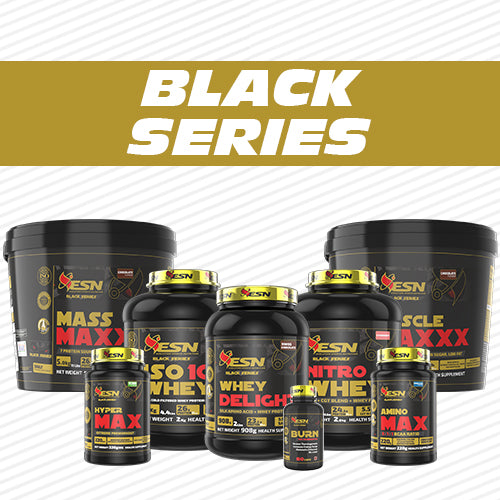
A protein supplement isn't a replacement for whole foods — it's a way to close the gap when meals alone don't get you to your target. Whey protein itself is milk-derived, so it fits a lacto-vegetarian diet (it's not suitable for vegans, since it comes from dairy). ESN Whey Delight is a straightforward, budget-friendly option at 23.5g protein per serving, available in Swiss Chocolate and Cookies & Cream, starting at ₹1,849 for 2 lbs — useful as a daily top-up rather than a meal replacement.
A Simple High-Protein Shake Recipe for Post-Workout
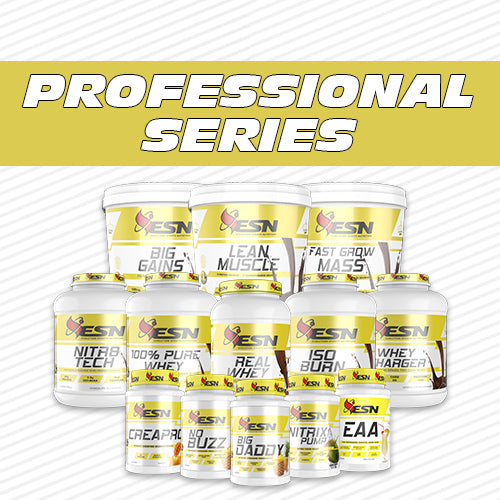
One scoop of ESN Whey Charger (available in Mango, Vanilla Custard, and Kesar Kulfi, among other flavors, starting at ₹9,000 for 5.5 lbs), blended with milk or water and a banana, makes a quick post-workout shake. Blend with ice if you want it cold, and adjust the liquid amount to get the consistency you prefer. This isn't a strict formula — swap the fruit or liquid based on what you have and what you like.
Building a Realistic Daily Protein Routine
- Increase portion sizes of dal, paneer, curd, or soy at meals you already eat — don't try to overhaul your whole diet at once.
- Use a protein shake to fill the specific gap between what your meals provide and your daily target, not as a meal substitute.
- Be consistent day to day rather than perfect on any single day — average intake across the week matters more than any one meal.
Frequently Asked Questions
Can vegetarians get enough protein without supplements?
Yes, with enough planning and large-enough portions of dal, paneer, curd, soy, and similar foods. A supplement simply makes it easier and faster, especially for people training regularly with higher protein needs.
Is whey protein vegetarian?
Yes, for lacto-vegetarians — whey is a milk derivative, not meat. It's not vegan, since it still comes from dairy.
What Indian foods are high in protein?
Dal, rajma, chickpeas (chana), paneer, curd, soy chunks, milk, and sprouts are all common, accessible vegetarian protein sources in Indian cooking.
How do I add protein to my diet without eating more meat?
Increase portions of dal, paneer, curd, and soy at your existing meals, and consider a protein shake like ESN Whey Delight to fill any remaining gap between your meals and your target.
Key Takeaways
- Most vegetarian diets in India under-deliver on protein due to portion size, not a lack of protein-rich foods.
- Dal, paneer, curd, soy, and chickpeas are solid whole-food protein sources — the fix is usually bigger, more consistent portions.
- Whey protein (like ESN Whey Delight, from ₹1,849) fits a lacto-vegetarian diet and works well as a daily top-up, not a meal replacement.
- A simple shake — one scoop of protein, milk or water, and a banana — is an easy way to close the gap post-workout.
- Consistency across the week matters more than any single "perfect" meal.